
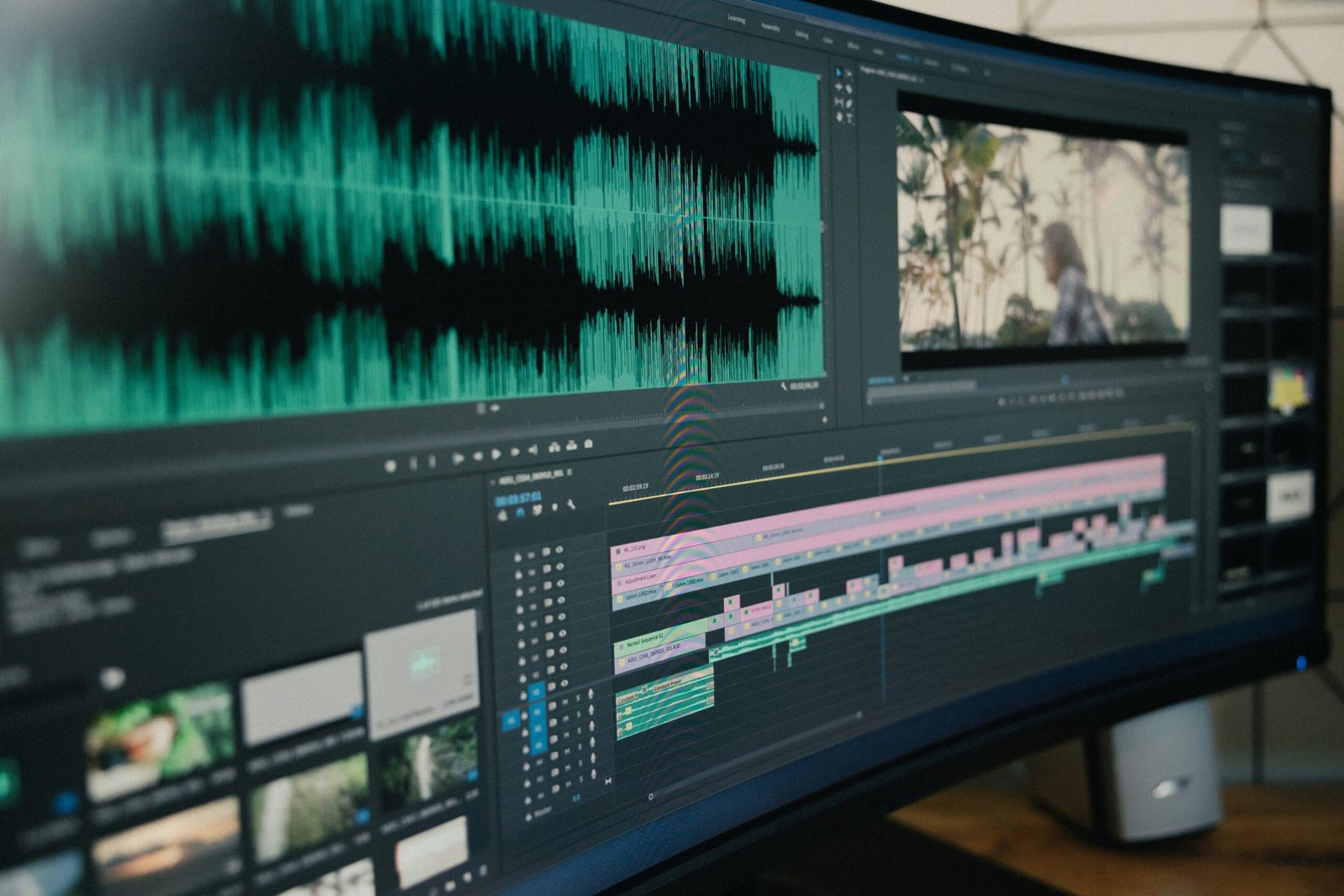
In the fast-evolving digital landscape of 2025, a visually captivating and user-friendly website is a cornerstone for businesses, creators, and individuals. While traditional web design often demands deep coding expertise and significant time investment, Webflow continues to transform the industry with its intuitive, no-code platform. By empowering users to build professional, dynamic websites without writing a single line of code, Webflow remains a leader in democratizing web design. Let’s explore how Webflow is shaping the future of web design in 2025.
Webflow is a pioneering web design platform that blends visual creativity with technical precision, enabling users to craft stunning, functional websites effortlessly. Its hallmark is a visual design interface that allows users to manipulate every element—layouts, typography, animations, and more—without coding. This streamlined approach frees designers to focus on creativity, sidestepping the technical barriers that once slowed the process.
A standout feature of Webflow is its ability to generate clean, semantic HTML, CSS, and JavaScript code automatically. In 2025, this capability is more critical than ever, as web performance and accessibility standards continue to rise. Webflow’s code is optimized for speed, ensuring fast load times and compatibility across modern browsers and devices. Developers can still dive into the code for custom tweaks, making Webflow a bridge between designers and coders, fostering seamless collaboration. With integrations for modern frameworks and APIs, Webflow aligns with the latest development trends, ensuring websites are future-proof.
Webflow’s robust feature set empowers users to bring their visions to life with unparalleled flexibility. Its expansive library of pre-designed components, templates, and AI-driven design suggestions (introduced in recent updates) allows creators to kickstart projects while maintaining originality. Responsive design remains a core strength, with Webflow’s adaptive layouts ensuring pixel-perfect performance across devices, from foldable smartphones to 8K displays.
In 2025, Webflow’s e-commerce capabilities have evolved to meet the demands of a booming online retail market. Designers can build sophisticated online stores with advanced product management, integrated payment systems supporting cryptocurrencies, and customizable checkout flows powered by AI personalization. These features enable businesses to deliver tailored shopping experiences without relying on third-party plugins.
Webflow’s interaction and animation tools have also advanced, incorporating immersive 3D effects, scroll-triggered animations, and AI-enhanced micro-interactions. These features allow designers to create engaging, memorable websites that captivate users. With the rise of WebXR and immersive web experiences, Webflow has introduced tools to integrate lightweight AR/VR elements, positioning it at the forefront of next-gen web design.
Webflow’s no-code revolution continues to make web design accessible to everyone, from seasoned professionals to newcomers. Its intuitive interface, combined with powerful integrations for tools like Zapier, Figma, and AI-driven analytics platforms, streamlines workflows and enhances productivity. Recent updates have introduced enhanced accessibility features, ensuring compliance with WCAG 3.0 standards, and sustainability tools to optimize websites for energy efficiency—a growing concern in 2025’s eco-conscious digital landscape.
Whether you’re building a portfolio, an e-commerce empire, or an immersive brand experience, Webflow empowers you to create without limits. As the platform evolves with trends like AI-driven design and immersive web technologies, it remains the go-to tool for crafting professional, high-performance websites. Embrace Webflow in 2025 to unlock endless possibilities for your online presence and stay ahead in the ever-changing world of web design.
View all


December 13, 2024 | by Webber

September 19, 2025 | by Webber