
August 22, 2026 | by Webber
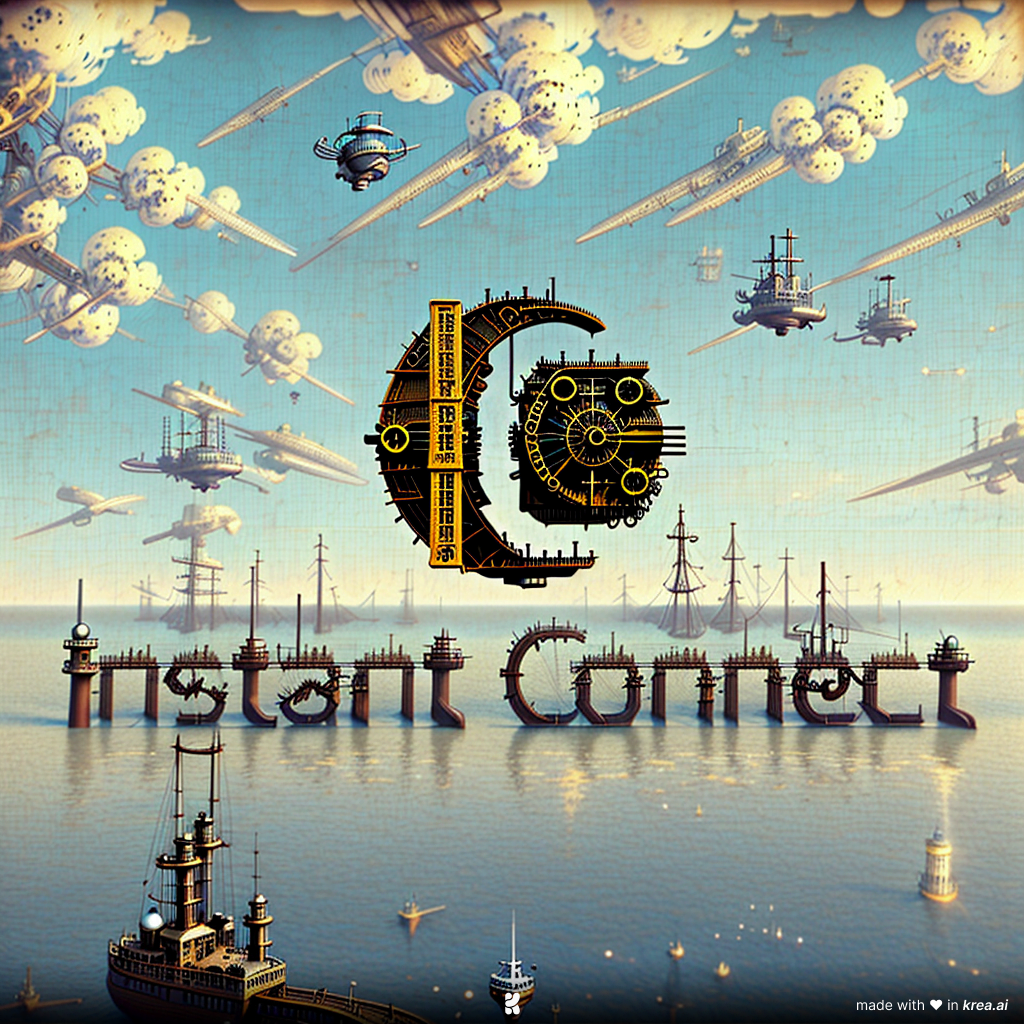
AI-generated imagery has opened a vivid new creative path for WordPress publishers. With a carefully written prompt, an empty media library can bloom into atmospheric landscapes, polished illustrations, or playful graphics tailored to a story. Yet speed and novelty alone do not make an image valuable. The most successful publishers use AI with artistic intention, editorial judgment, and respect for their audience—allowing technology to illuminate a message without obscuring the truth behind it.
AI images are especially powerful when a WordPress article needs a compelling visual metaphor. A post about overcoming creative block might feature a luminous doorway opening in a wall of tangled paper, while an article about cybersecurity could show a glowing digital fortress. Such scenes may be difficult or expensive to photograph, but generative tools can turn abstract ideas into memorable visual experiences.
They can also give niche topics a visual identity. Specialized blogs often cover subjects that are poorly represented in stock-photo libraries, leaving publishers to choose from generic handshakes, laptops, and smiling office workers. AI makes it possible to create images that reflect the precise mood and subject of an article, from sustainable architecture in a desert climate to an imaginative reconstruction of a forgotten invention.
For small teams, AI imagery can make ambitious storytelling more attainable. Independent writers, nonprofit organizations, and new businesses may not have the resources for frequent photo shoots or custom illustration. Used thoughtfully, an image generator becomes a flexible creative assistant, helping them build polished pages while reserving their budgets for reporting, research, design, and other essential work.
A consistent visual style can strengthen a WordPress site’s identity. Publishers can define a creative direction—such as soft watercolor textures, vibrant geometric forms, or cinematic science-fiction scenes—and carry it across featured images, category banners, and social graphics. This visual rhythm helps readers recognize the brand before they have even read the headline.
AI images can bring warmth and imagination to educational content as well. A complex lesson may become more inviting when accompanied by friendly diagrams, stylized historical scenes, or conceptual illustrations. The image should not replace accurate explanation, but it can offer readers an emotional doorway into material that might otherwise appear dense or intimidating.
Tutorials and how-to articles can benefit when AI is used to create decorative or introductory visuals. A guide to launching a podcast, for example, could begin with an illustration of a cozy recording studio built around the article’s color palette. Actual interface steps should still use authentic screenshots, but AI artwork can establish atmosphere and encourage readers to begin.
Seasonal campaigns are another natural fit. WordPress publishers can quickly produce coordinated visuals for holidays, product launches, community events, or annual fundraising drives. Instead of relying on the same familiar stock imagery as countless other websites, they can create scenes that feel distinctive, timely, and aligned with their message.
Generative tools also invite experimentation before publication. Editors can explore several compositions, color schemes, and emotional tones without commissioning each concept separately. A calm image may suit a reflective essay, while a dynamic composition may better serve a bold announcement. This rapid exploration can help a team discover what the story truly wants to look like.
When accessibility remains part of the workflow, AI images can support a richer experience without becoming a barrier. Editors should write concise, meaningful alt text based on the image’s purpose rather than pasting the prompt into WordPress. Decorative images can use empty alt attributes, while informative visuals should be accompanied by text that communicates their essential meaning.
At their best, AI tools do not replace human creativity; they extend its reach. The writer still chooses the symbol, the designer still shapes the page, and the editor still decides whether the result serves the audience. AI provides raw visual possibilities, but human intention transforms those possibilities into storytelling that feels coherent, generous, and alive.
AI imagery becomes risky when it appears to document something that never happened. A fabricated photograph of a protest, disaster, public figure, product, or historical event can mislead readers even when the surrounding article is accurate. In news, reviews, case studies, and documentary content, authentic photographs or clearly labeled illustrations are usually the more trustworthy choice.
Small inaccuracies can also weaken an otherwise authoritative article. An AI-generated laboratory may contain impossible equipment, a historical street may include objects from the wrong century, and a technical diagram may show a machine that could never function. These errors are not always obvious at first glance, so subject-matter review is essential whenever an image suggests factual detail.
Bias is another serious concern. Image models can reproduce narrow assumptions about professions, families, beauty, age, disability, culture, and social status. A publisher who accepts the first output may unintentionally reinforce stereotypes. Better results come from intentional prompts, varied representations, and careful review by people who understand the communities being portrayed.
Publishers should also consider the creative and legal questions surrounding generated content. Requests to imitate a living artist’s recognizable style may exploit a body of work without consent, even when the output is technically permitted by a tool. Describing broader qualities—such as muted colors, expressive ink lines, or Art Nouveau ornament—can inspire an original direction without borrowing someone else’s artistic identity.
Transparency helps preserve trust. If an image could reasonably be mistaken for a real photograph, a short caption such as “AI-generated illustration” gives readers valuable context. WordPress makes this easy through captions, media descriptions, or editorial notes. Disclosure does not diminish the image; instead, it signals that the publisher respects the audience’s right to understand what they are seeing.
Visual quality matters just as much as honesty. Distorted hands, unreadable text, duplicated objects, unnatural reflections, and inconsistent shadows can make a page feel careless. Every image should be inspected at full size before upload, cropped with purpose, and tested on both desktop and mobile layouts. If a flaw draws attention away from the story, the image should be regenerated, edited, or removed.
Performance can suffer when generated artwork is uploaded without optimization. Large, high-resolution files may slow a WordPress site, particularly for mobile visitors. Publishers should resize images to their actual display dimensions, compress them, use efficient formats such as WebP or AVIF when appropriate, and configure responsive loading. A beautiful image should welcome readers, not keep them waiting.
A reliable editorial workflow prevents enthusiasm from outrunning judgment. Teams can document which tools are approved, when disclosure is required, who reviews factual accuracy, and how source files and usage terms are recorded. This process is especially valuable on multi-author WordPress sites, where consistency protects both the publication and its contributors.
Privacy deserves attention during image creation. Prompts should not include confidential client information, unpublished business plans, private photographs, or sensitive personal data unless the platform’s policies and permissions clearly support that use. The convenience of generation is never worth exposing information that readers, employees, or customers trusted a publisher to protect.
The clearest guiding question is simple: does this image deepen understanding, or does it merely decorate the page at the cost of credibility? If it clarifies an idea, supports the brand, and respects the audience, it may be worth using. If it invents evidence, disguises uncertainty, or creates confusion, restraint becomes the more creative and courageous decision.
AI images can make WordPress stories more expressive, distinctive, and visually adventurous, but their greatest value emerges when imagination is paired with responsibility. Choose them where they reveal possibilities, label them where realism could mislead, and review them with the same care given to every published sentence. In that balance, WordPress creators can build pages that do more than catch the eye—they can inspire curiosity while earning lasting trust.
View all


August 22, 2026 | by Webber

September 12, 2023 | by Webber
